Should You Grade That Card? PSA, BGS, and SGC Explained
Grading can add serious value, or cost more than the card is worth. Here is how grading works, how PSA, BGS, and SGC compare, and how to decide what to submit.
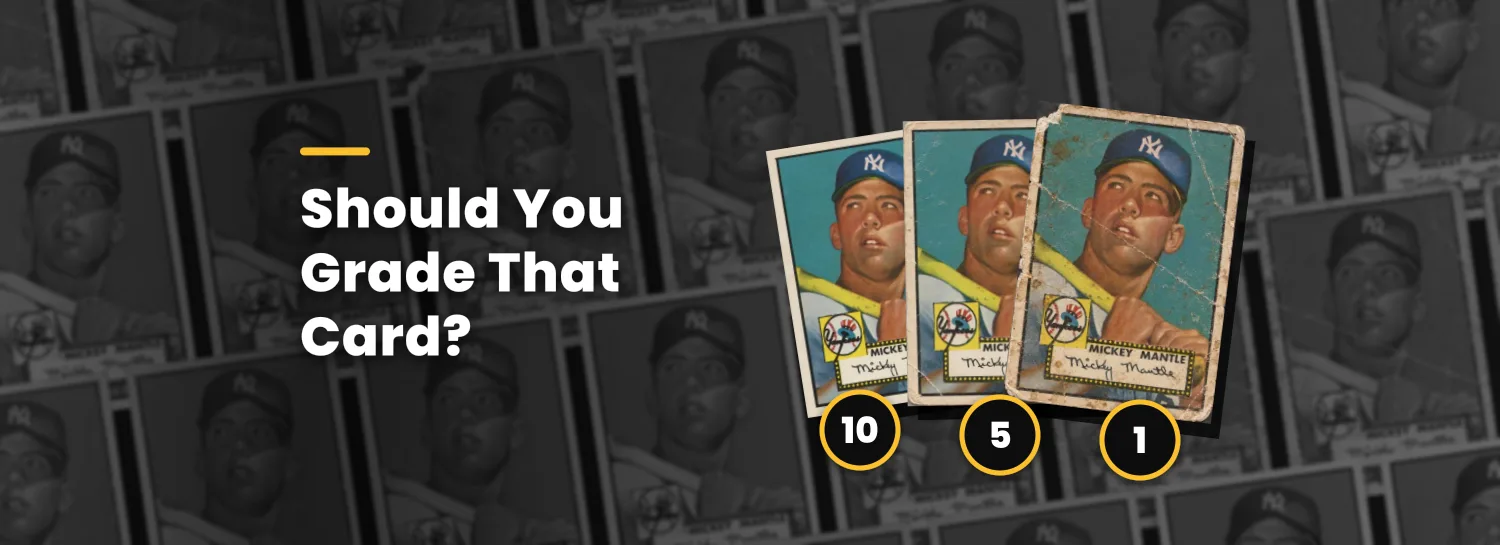
You pulled something great. It looks clean, the corners are sharp, and now there’s a little voice in your head saying “send it in.” But grading isn’t free, turnaround times can stretch for months, and not every card comes back with the number you were hoping for.
So how do you decide? We wrote a full Card Grading Explained guide that covers the whole process. Here’s what you need to know before you fill out that submission form.
Key Takeaways
- Grading = authentication + a condition opinion + a protective slab.
- The premium kicks in at the top. For modern cards, the real value jump usually starts at PSA 8 or higher.
- Three companies lead the market: PSA, BGS (Beckett), and SGC.
- Ask three questions first: Is the value there? Is the condition there? Is there demand?
- Grading for protection is a fine reason too. Just know which goal you’re grading for.
What Grading Actually Is
A grading company examines your card, assigns it a number from 1 to 10 based on condition, and seals it in a tamper-proof plastic case. Collectors call that case a “slab.” You get proof the card is genuine, an independent opinion on its condition, and protection from future damage.
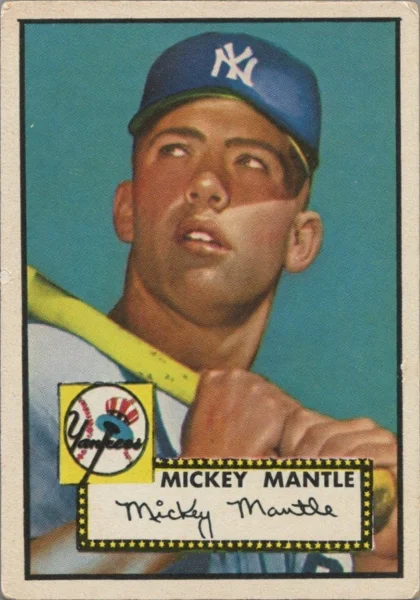
PSA vs. BGS vs. SGC
| PSA | BGS (Beckett) | SGC | |
|---|---|---|---|
| Known for | Biggest name, highest resale premiums | Sub-grades and prestige | Vintage roots, strong for modern now |
| Scale | 1 to 10 | 1 to 10 with half points | 1 to 10 |
| Top grade | PSA 10 Gem Mint | BGS 10 Pristine, and the rare Black Label | SGC 10 |
A quick rule of thumb: a BGS 9.5 tends to sell about like a PSA 10. And remember that grading involves human judgment. The same card could come back with a different grade on a different day.
The Three-Question Test
Before you submit anything, ask yourself:
- Is the value there? Grading runs about $20 to $150+ per card, so the raw card should be worth well above that.
- Is the condition there? Grading won’t fix a damaged card. Look it over with a magnifier and bright light first.
- Is there demand? Rookies of star players and vintage keys benefit the most. Common base cards rarely justify the cost.
All three? Send it. Missing one? Check recent sold prices for graded copies before you spend the money. Our Card Conditions Guide covers how to pre-screen corners, edges, surface, and centering.
Tips for Better Grades
- Pre-screen honestly. If you can see a flaw, the grader will too.
- Handle by the edges with clean hands.
- Check centering first. Off-center cards rarely grade well. The centering section of our conditions guide shows how to measure it.
- Look at comps. If a PSA 8 and PSA 9 sell for about the same, there’s no reason to chase the 9.
New to grading? SGC and BGS often have faster turnarounds, which makes them a great way to learn the process without waiting months. Grading vintage? The Vintage Cards Guide explains why a mid-grade slab is often the sweet spot.
Keep Track of Your Slabs
Once your cards come back, SetScribe makes it easy to log PSA, BGS, and SGC grades, save certification numbers, and keep tabs on cards you’ve sent out. The Card Grading Tracker shows how.
Read the Full Guide
The Card Grading Explained guide walks through the submission process step by step, plus FAQs on turnaround times, re-grading, and population reports.
Happy collecting.
 Go deeper with the full guideCard Grading ExplainedPSA, BGS, and SGC compared, what the numbers mean, and when grading pays off. 8 Minute Read.